Insights
Monday, August 10, 2026
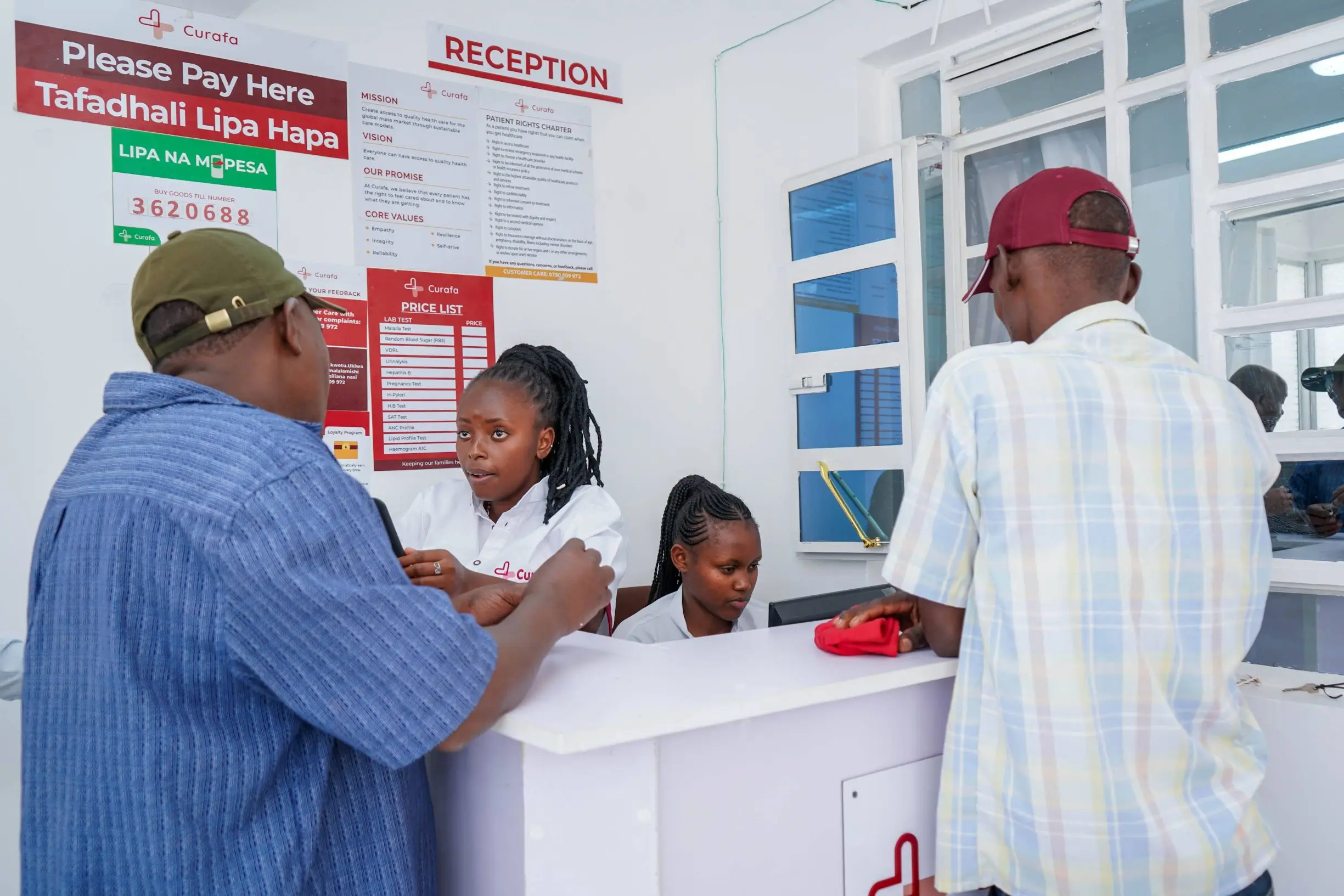
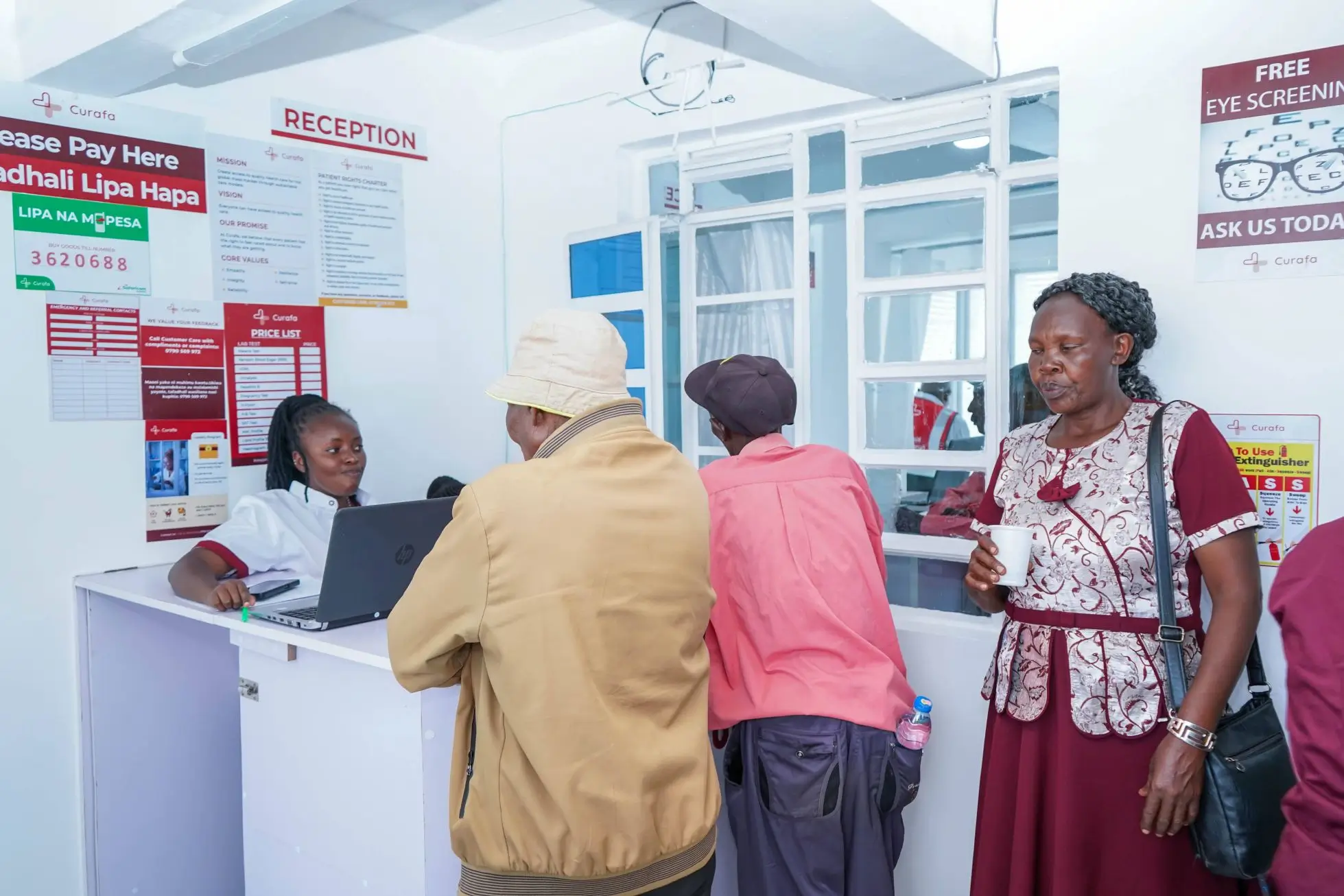
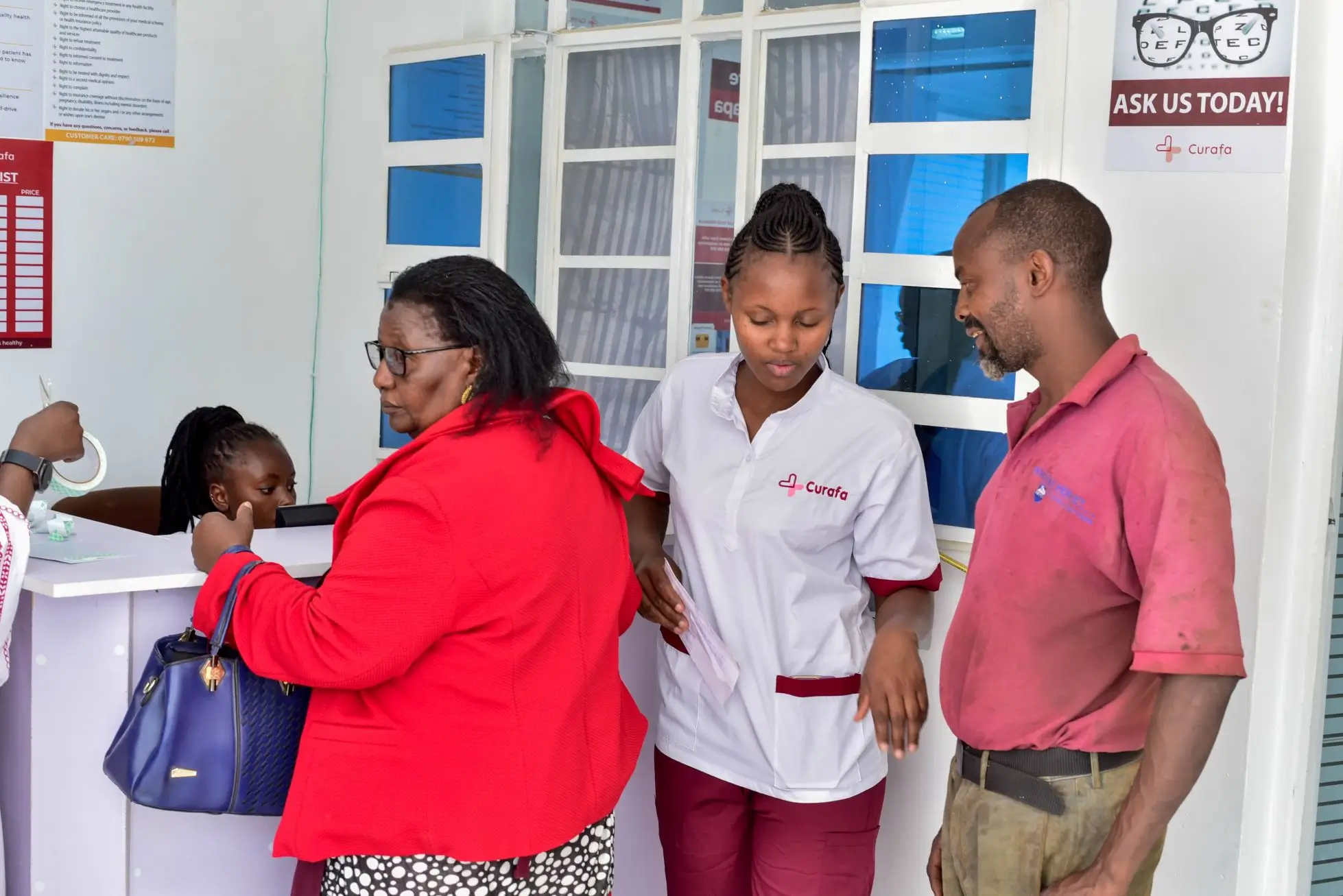
Community clinics play a vital role in improving healthcare access across Kenya. They serve as the first point of care for millions of Kenyans, providing affordable, accessible, and reliable healthcare services closer to where people live and work.
Increasing Access to Healthcare
One of the main functions of community clinics is to reduce the barriers to healthcare access. For many families, traveling long distances to hospitals can be time-consuming and expensive. Community clinics, often located within local neighborhoods, make it easier for residents to receive care without having to travel far.
Supporting Families and Communities
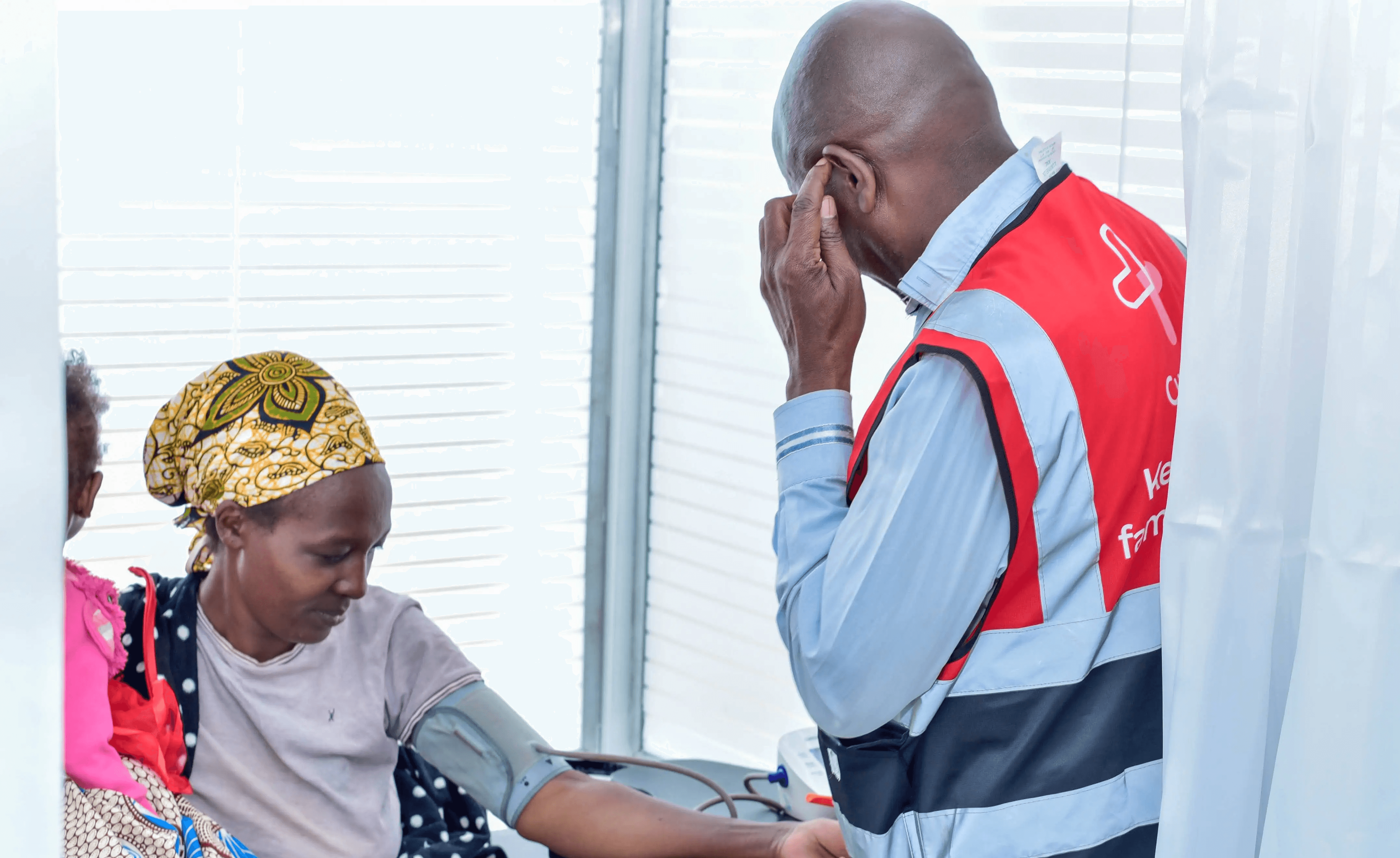
Community clinics provide services that cater to every stage of life. From routine consultations to family support services, they are designed to help communities maintain overall health and wellness. These clinics often offer:
General consultations for everyday health needs
Child and maternal care services
Family planning and reproductive health support
Pharmacy and diagnostic services
By offering these services locally, community clinics help families save time and costs while accessing trusted healthcare professionals.
Complementing the Healthcare System
Community clinics play a key role alongside hospitals and specialized healthcare facilities. They handle everyday health concerns, refer patients for specialized care when needed, and help decongest larger hospitals. This ensures that hospitals can focus on complex and emergency cases, improving the efficiency of Kenya’s healthcare system.
Leveraging Technology
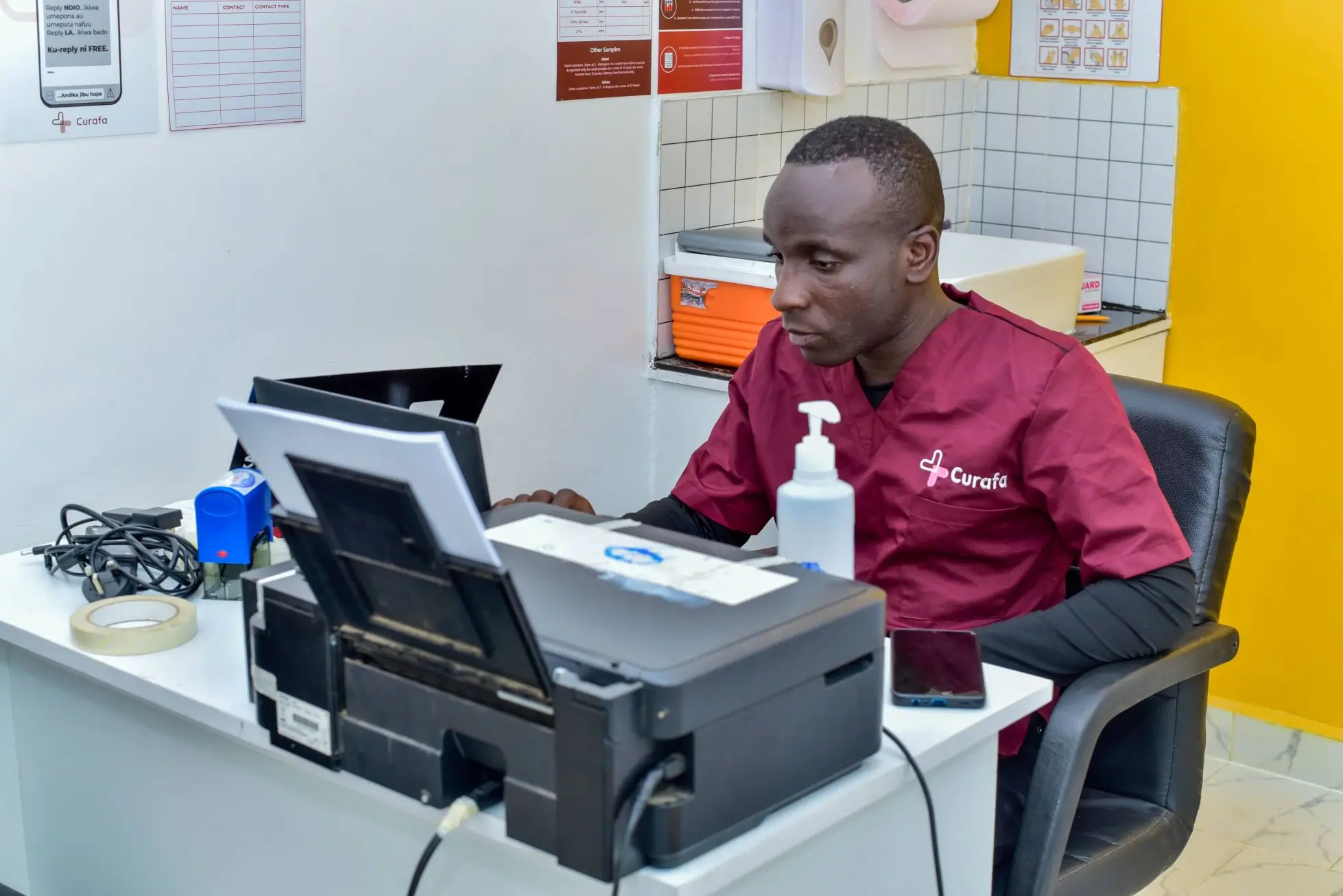
Many community clinics in Kenya now integrate digital health solutions such as telemedicine and electronic patient records. This allows residents in both urban and rural areas to consult with healthcare professionals remotely, schedule appointments, and track their care efficiently.
Strengthening Public Health
Beyond individual care, community clinics contribute to public health initiatives by providing preventive services, health education, and supporting vaccination programs. They act as trusted hubs for health awareness, helping communities make informed health decisions.
Conclusion
Community clinics are a cornerstone of Kenya’s healthcare system, providing accessible, affordable, and trusted care to families across the country. By bringing healthcare closer to where people live, these clinics strengthen communities, reduce the burden on hospitals, and promote overall well-being.