Insights
Saturday, January 17, 2026
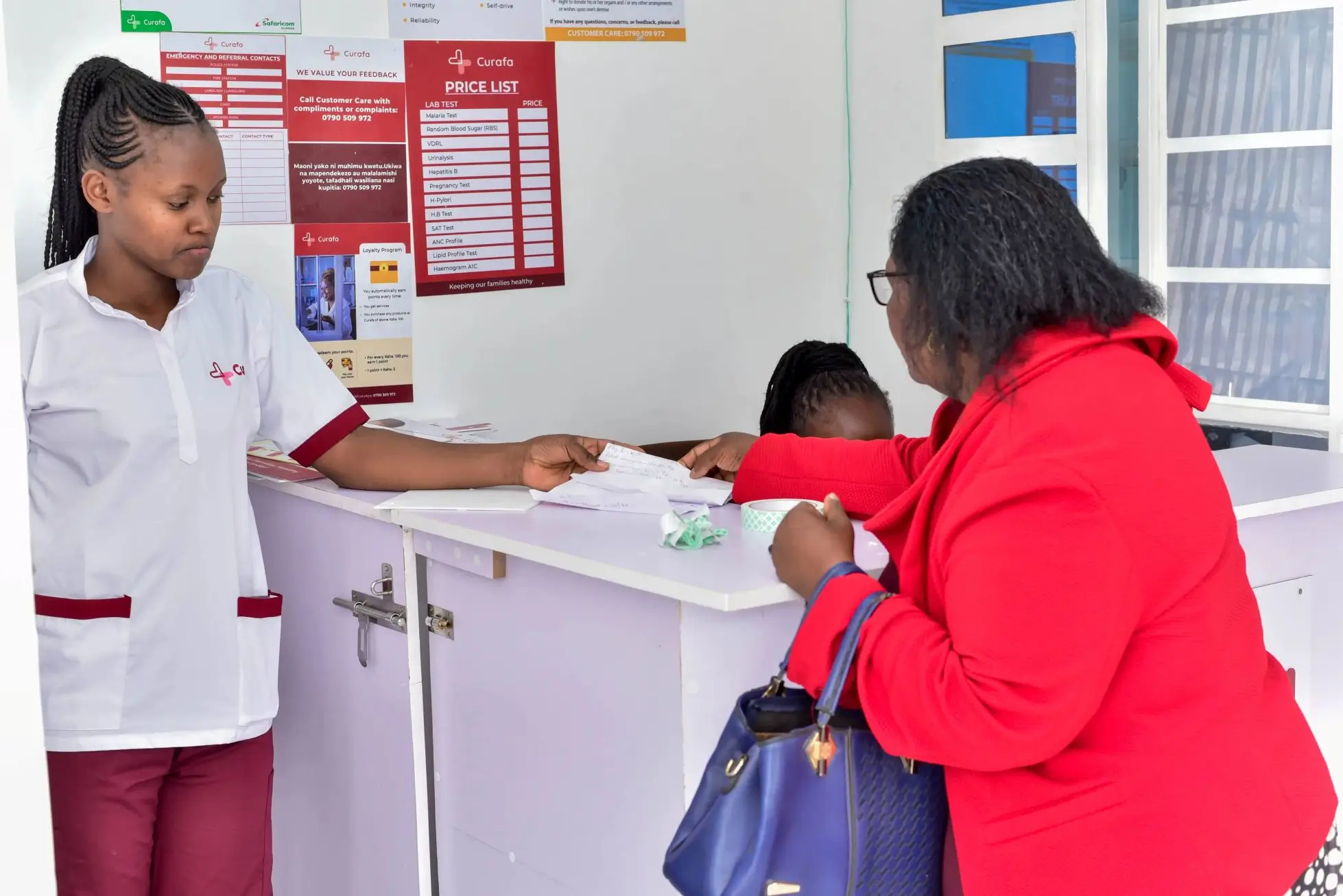
Strong healthcare systems are built from the ground up. In Kenya, local clinics play a critical role in ensuring families can access care without relying solely on large hospitals or specialist centers. Curafa contributes to this system by expanding primary care access into communities and supporting everyday health journeys in practical, affordable, and consistent ways.
Enabling First-Contact Care in Communities
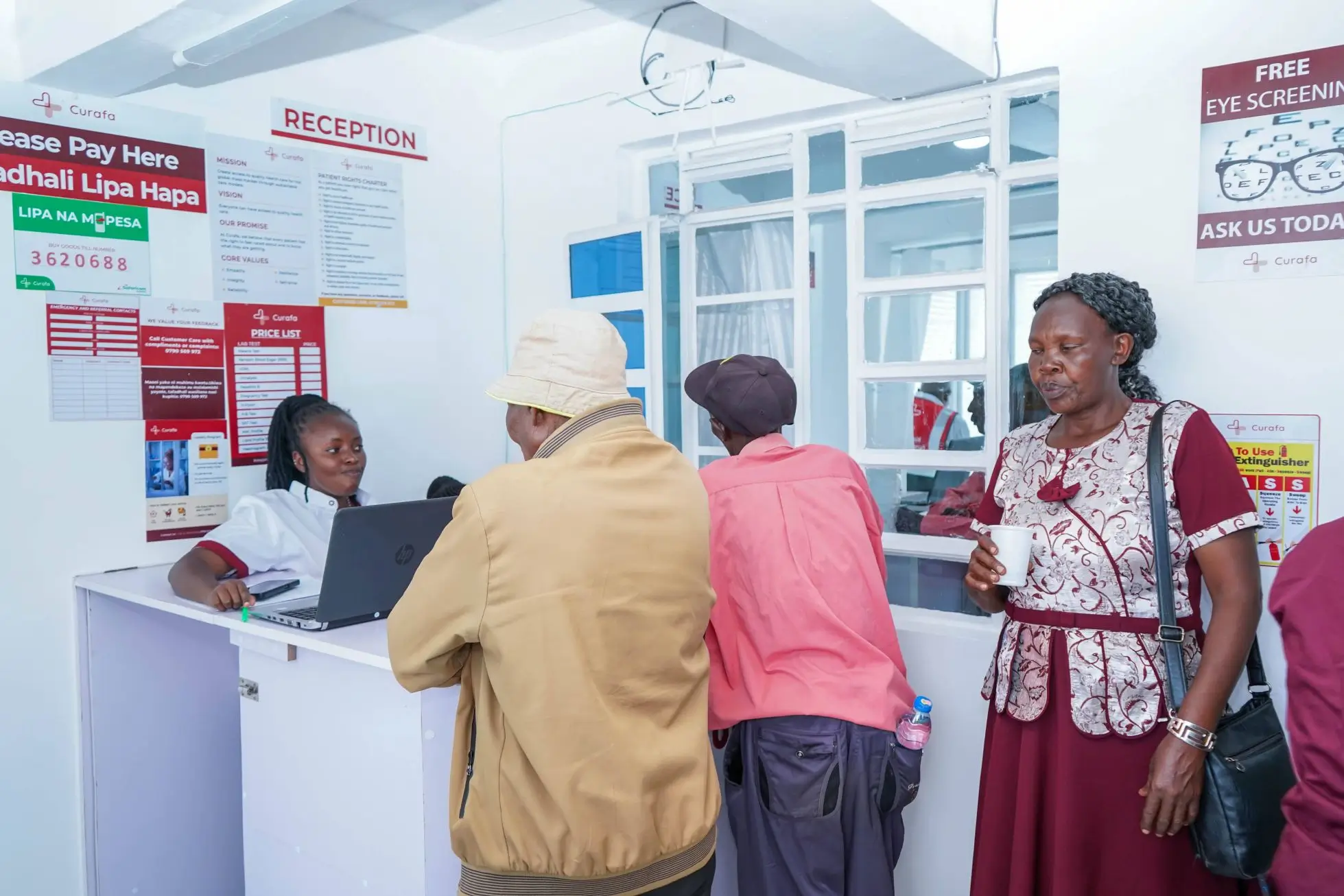
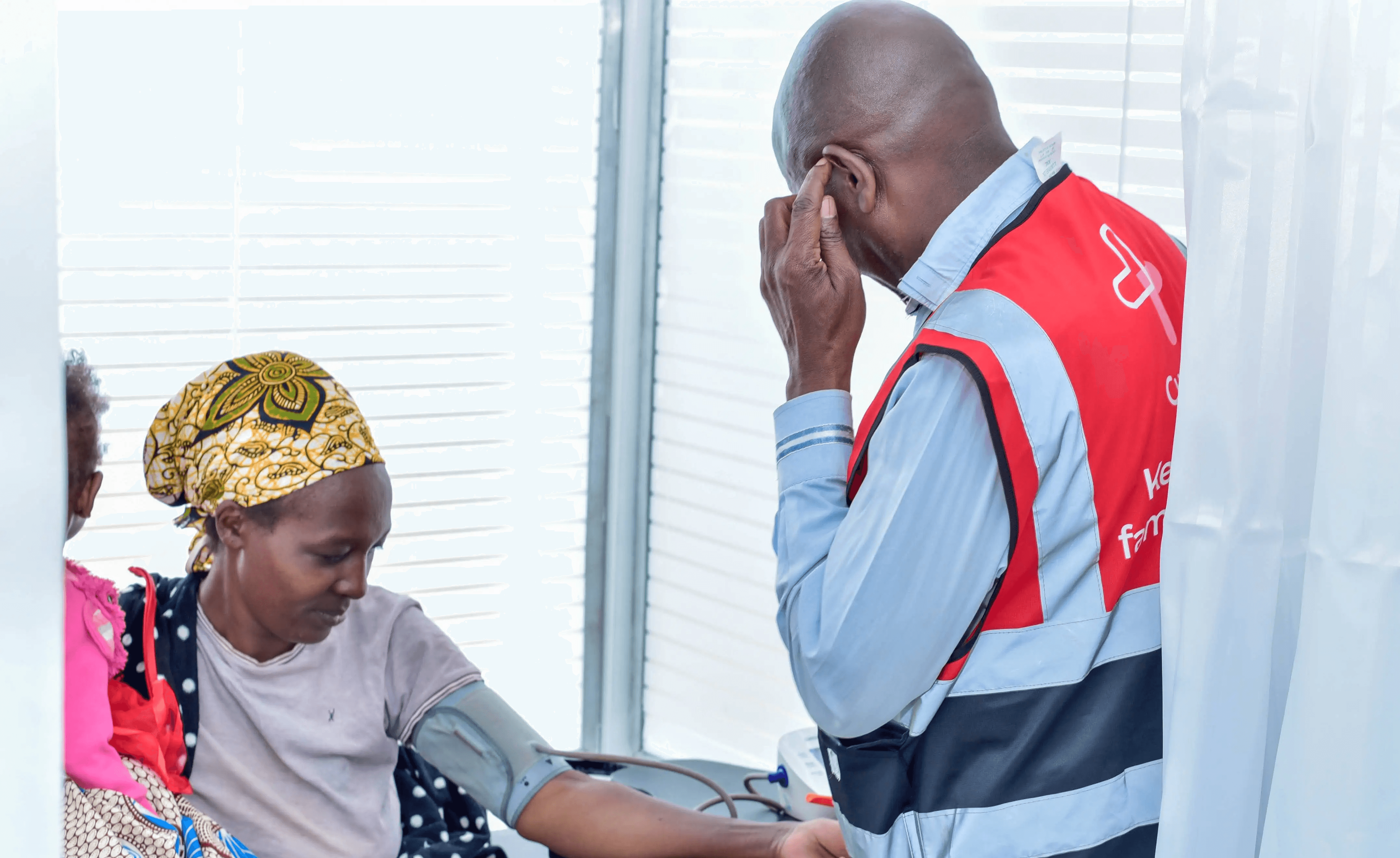
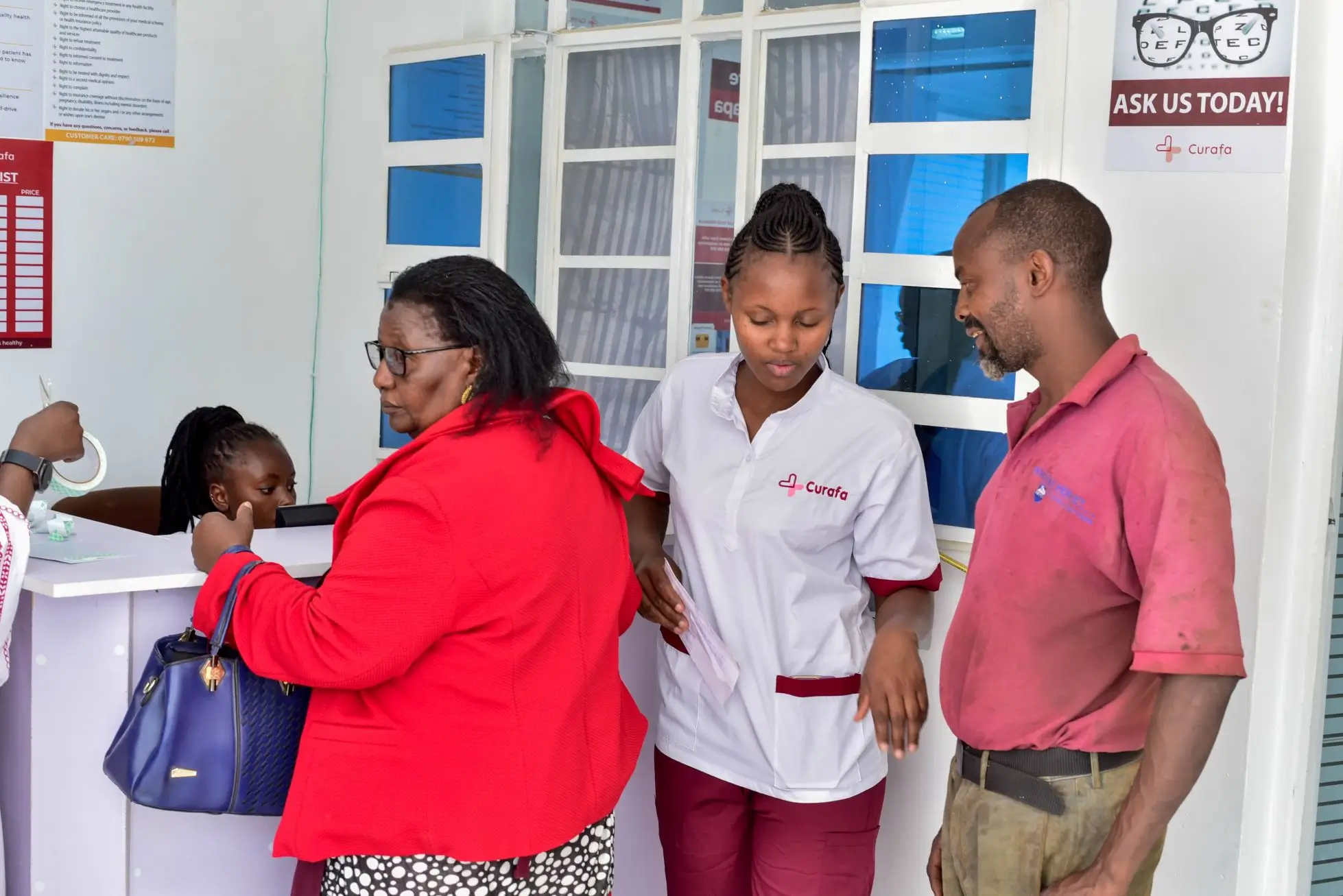
Curafa clinics serve as first-contact entry points for everyday health needs. This reduces the pressure on tertiary hospitals, which are often forced to manage routine cases that could be handled at the community level.
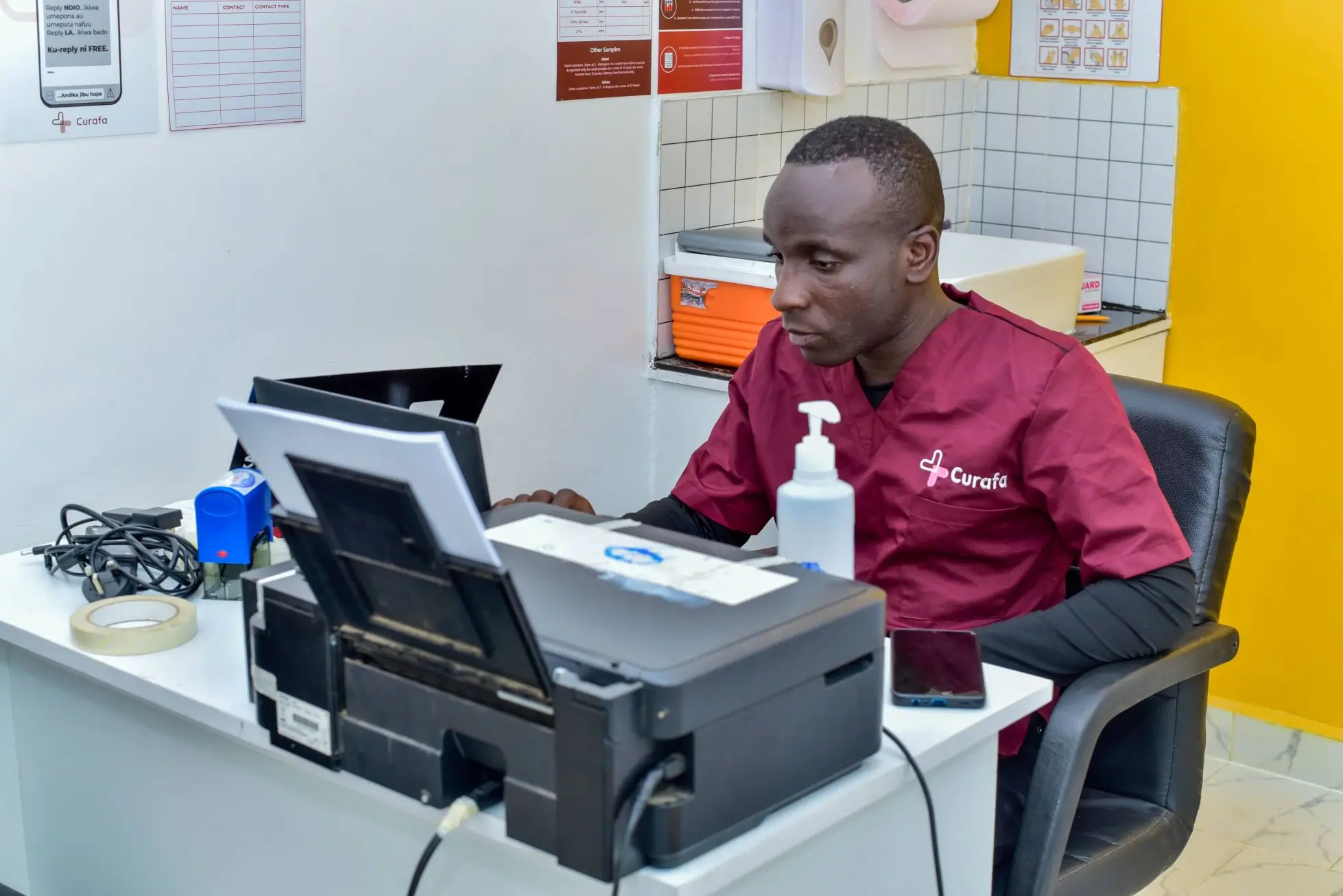
By offering services such as outpatient consultations, family support, diagnostics, telemedicine, and pharmacy services, Curafa ensures that essential care happens closer to where people live and work.
Explore services:
https://curafa.com/for-patients
Reducing Travel and Time Burdens for Families
For many households in growing peri-urban communities, accessing care can require long travel, multiple referrals, and time away from work or caregiving. Curafa’s model lowers these barriers by embedding clinics into local neighborhoods, reducing both travel time and indirect household costs associated with care-seeking.
Patients can easily locate facilities through the clinic directory:
https://curafa.com/find-a-clinic
Integrating Digital Tools for Continuity
Curafa’s hybrid approach extends beyond physical infrastructure. Digital tools, including telemedicine for remote consultations, electronic patient support systems, and follow-up pathways, provide continuity for families who require ongoing or long-term support.
Learn more:
https://curafa.com/for-patients/telemedicine-for-remote-consultations
Supporting Broader Health Ecosystems
Local healthcare systems are strengthened not only by clinical services, but by the economic, operational, and social value created around them. Curafa contributes to system-wide outcomes by:
Expanding access across 8 counties
Operating 22 franchise clinics
Serving over 730,000 people
Creating 110 health jobs
Maintaining an NPS score of 85
These outcomes demonstrate the value of decentralizing primary care and extending it into communities that previously had limited access options.
Organizations interested in collaborative health programs can learn more on the Partner page:
https://curafa.com/for-partners
Relieving Pressure on Higher-Level Facilities
Hospitals are essential for emergency and specialist care. When everyday care is handled locally through community clinics, tertiary centers can direct resources toward surgeries, emergencies, and complex cases.
Curafa’s model supports this balance by positioning primary care in communities while enabling referrals only when necessary.
Conclusion
Strengthening healthcare systems requires more than infrastructure—it requires access. By expanding primary care into communities, reducing patient travel burdens, integrating digital tools, and supporting long-term care pathways, Curafa contributes to a more resilient and distributed healthcare system in Kenya.
Curafa provides community-based primary care for families, women, and working adults.
Learn how Curafa’s model supports stronger health systems: https://curafa.com/for-partners